Indian auto suppliers work on magnetless tech, copper alternatives
Synopsis
Indian automotive suppliers are developing magnetless technologies and copper alternatives to tackle raw material shortages and rising prices. A Spark Minda executive said these unique, India-specific solutions aim to mitigate costs and supply issues.
Indian automotive suppliers are working on magnetless technologies and alternatives to copper as the industry looks to reduce the impact of shortages and rising raw material prices, a senior Spark Minda executive said on Wednesday.
Search for alternatives
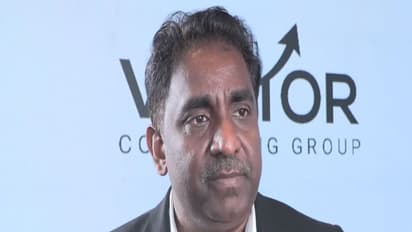
Speaking to ANI on the sidelines of the 66th Annual Session of the Automotive Component Manufacturers Association of India (ACMA), Suresh D, GCTO and CEO of Spark Minda Technical Centre, Minda Corporation Ltd, said the industry is looking at technology-led alternatives to address supply-chain challenges. "When we had a challenge because of the rare material from the magnets, now there are magnetless solutions being worked out by us, especially in India, which is very unique to the country," he said.
He said similar efforts were underway to reduce dependence on copper as prices of the metal rise. "We have challenges of copper, and there could be some solutions alternate to aluminium," he said, adding later that companies were "trying to work copper mixed with aluminium kind of solutions."
However, Suresh said such alternatives may not completely offset the impact of higher input costs. "There could be some alternatives, but this cannot keep the prices at the same level. So we continuously work on it," he said.
He said rising prices of raw materials, including copper and semiconductors, are adding to pressure on automobile manufacturers and suppliers at a time when affordability remains important for the Indian market. "Every OEM is trying to reduce the cost and also bring the products which are more affordable to the country. So it's the duty of the OEM as well as the tier one like us to work for mitigation, some solutions," he said.
Localisation a buffer
Suresh said India's relatively high level of localisation has helped the automotive industry withstand global supply disruptions better, although the shortage of even a single critical component can affect vehicle production. "We have reached almost localization more than 70, 80 percent in many of the automobile products. So this localization, which is not one year's effort, it was done by the country for a long time," he said.
"Even if one component is not there in a vehicle you can't produce that vehicle. So that challenge is always there," he added.
Global potential
He said solutions developed in India to tackle shortages could eventually also have applications in global markets. "These alternate solutions can also be taken to global," Suresh said. (ANI)
Stay updated with all the latest Business NewsShare Market NewsIPOsGold PriceDA Hike8th Pay CommissionAsianet News Official App