IGL rolls out automated system to boost CNG cylinder safety checks
Synopsis
Indraprastha Gas Limited (IGL) has launched an Automated Vehicle Verification System to enhance CNG cylinder safety. The AI-powered system cross-references vehicle registration plates with PESO's hydro-test database to detect expired cylinders.
IGL launches Automated Vehicle Verification System for CNG cylinder safety
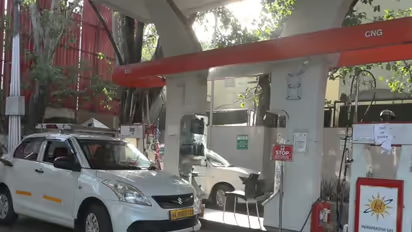
Indraprastha Gas Limited (IGL) initiates Automated Vehicle Verification System to strengthen on board CNG Cylinder Safety across ten retail outlets as part of an ongoing enforcement drive. The capital gas distributor stated that the system matches vehicle registration details against cylinder hydro-test certification databases to detect invalid or expired containers.
How the Automated System Works
Under the current system, high-resolution cameras read approaching vehicle registration plates at the forecourt entry. The incoming registration details are processed through an artificial intelligence application to confirm vehicle-to-cylinder linkages and cross-reference compliance records hosted on the Petroleum and Explosives Safety Organisation (PESO) online portal.
Station-level alerts are generated in real time across handheld terminals, digital LED boards, and public address speaker systems when a vehicle fails compliance checks. According to IGL, the deployment directly curtails manual oversight dependencies while establishing centralised monitoring across forecourts.
"The proposed system would enable vehicle registration details to be matched with CNG cylinder hydro-test certification records, facilitating identification of vehicles whose hydro-test certification may have expired or may not be valid," the company said in a statement.
Manual Inspections to Continue
The digital framework operates alongside a manual safety inspection drive across company retail stations, where forecourt staff inspect paper certificates prior to fuelling. Company officers conduct field inspections to ensure attendants dispense fuel only after establishing valid documentation.
"The initiative is part of a broader digital safety ecosystem wherein relevant CNG cylinder certification information could eventually be integrated with vehicle-related database, subject to the applicable regulatory framework," the company added.
"With this automated verification system, IGL has made the compliance-checking process more systematic, technology-enabled and traceable while strengthening safety for customers as well as personnel working at CNG stations," the company stated.
Legal Mandate for CNG Cylinder Testing
Legal mandates under Rule 35, Sub-rule (1) of the Gas Cylinders (Amended) Rules, 2025 require all vehicular CNG cylinders to undergo hydrostatic testing every three years at testing centres certified by PESO. Non-compliant vehicles face fuel denial until owners produce updated testing certifications.
"This initiative reflects IGL's continuing focus on leveraging technology and digital solutions to further strengthen safety standards towards CNG refuelling," the company noted, adding that the mechanism will expand to its wider regional station network over time. (ANI)
(Except for the headline, this story has not been edited by Asianet Newsable English staff and is published from a syndicated feed.)Stay updated with all the latest Business NewsShare Market NewsIPOsGold PriceDA Hike8th Pay CommissionAsianet News Official App