Global Inclusive Finance Summit to share India's DPI with nations
Synopsis
The Global Inclusive Finance Summit has evolved from a local event to a global platform. It now aims to export India's financial inclusion success, particularly its world-class Digital Public Infrastructure (DPI), to other emerging economies.
Summit's Evolution to a Global Platform
The Global Inclusive Finance Summit has transitioned into a global platform to facilitate the exchange of financial inclusion strategies between India and emerging economies. This evolution marks a shift from the summit's local origins in 2004 to a global mission focused on sharing India's digital public infrastructure (DPI) experiences with developing nations.
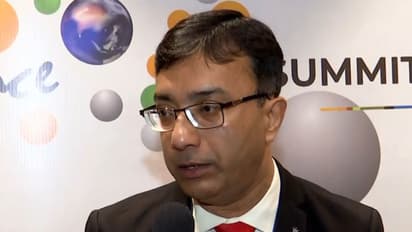
Speaking to ANI, Sudipto Saha, VP, Financial Inclusion, ACCESS Development Services, stated that the summit began in 2004 during the microfinance boom, focusing on Self-Help Groups (SHG) and microfinance models. The trajectory of the event changed significantly in 2014 with the introduction of the Pradhan Mantri Jan Dhan Yojana. "We re-transformed this particular summit to inclusive finance summit," Saha said, noting that the inclusion of banks, small finance banks (SFBs), and fintechs became central to the discourse.
Sharing the 'India Story' and Digital Infrastructure
By 2023, the summit expanded its scope to a global level. Saha explained that with the "advent of Jandhan Yojana, the Jam Trinity as such, Jandhan, Aadhaar and mobile, now India has stride up, has gone way ahead in financial inclusion." The current objective of the summit involves exporting the "India story" to other growing economies.
Saha identified the digital public infrastructure developed by India as "one of the best in the whole world," providing a basic premise for the country's advancement in digital payments. He noted that the volume and number of UPI transactions in India now surpass those seen in many developed countries.
Government and Infrastructure as Key Drivers
Discussing the primary drivers of this progress, Saha pointed to two critical factors. "Main important factor I would say is one, the government which is taking such initiatives to make it happen. And second is the digital infrastructure which has been developed," he said. This infrastructure serves as the platform for both payments and the upcoming Unified Lending Interface (ULI), which is expected to be replicated across the country following its pilot phase.
Empowering Small and Medium Enterprises
The summit also addressed the role of small and medium enterprises (SMEs) in the domestic economy. Saha highlighted that these enterprises constitute approximately 60 to 70 per cent of the entire portfolio. He emphasized that providing these businesses with "easy loans" and "cheaper credit with market access" remains essential for their expansion.
According to Saha, ensuring entrepreneurs have access to credit is a "positive point for them to grow and expand their business," which in turn supports broader national economic growth. (ANI)
Stay updated with all the latest Business NewsShare Market NewsIPOsGold PriceDA Hike8th Pay CommissionAsianet News Official App