Economic Survey puts cities at centre of economic strategy: Mahindra
Synopsis
Anand Mahindra hailed the Economic Survey for its new focus on cities as central to India's economic strategy. He called it a bold, optimistic vision that shifts from managing cities as problems to building them as platforms for growth.
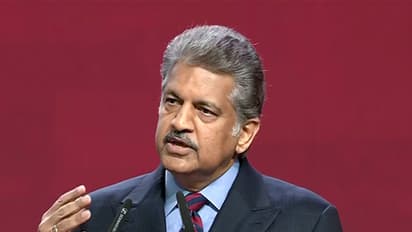
The Economic Survey presented this year marks an important shift in India's policy by placing cities at the centre of the country's economic strategy, rather than treating them as administrative afterthoughts, stated Anand Mahindra, Chairman of the Mahindra Group, reacting to the survey.
'Bold, Optimistic Vision'
In a social media post on Friday, Mahindra said, "This Economic Survey breaks new ground by blending a bold, optimistic vision for the future with a realistic assessment of the economy's vulnerabilities". However, he noted that what stood out most to him was the attention paid to Indian cities, a subject that, in his view, has rarely received serious attention in economic policy discussions.
Survey Highlights Urban Challenges and Solutions
The Economic Survey noted that every Indian city with a population above 1 million should be required to prepare a 20-year City Spatial and Economic Plan, updated every five years. Economic survey said that "our cities have not been equipped with the institutional, fiscal, and planning foundations commensurate with their role in national prosperity. Urbanisation has concentrated productivity, innovation and labour markets in our cities. But it has also concentrated congestion, informality, and complexity of governance".
The economic survey outlined that tackling these issues requires an integrated approach. On the supply side, unlocking urban land through clearer titles, improved density norms, and transit-oriented development can expand affordable housing and reduce peripheral sprawl. The document also noted that, on the mobility front, prioritising people over vehicles by improving public transport and demand management can raise productivity while enhancing liveability.
A Paradigm Shift in Urban Policy
Mahindra noted that, perhaps for the first time, cities have been recognised as core economic systems rather than discussed only in terms of housing shortages, congestion, or welfare delivery. He said this represents a clear departure from earlier policy thinking, in which urban areas were often viewed as problems to be managed rather than as strategic assets that can drive growth.
At the same time, Mahindra highlighted that the Survey does not limit the idea of successful urbanisation to output and economic numbers alone. He said, "If this thinking carries meaningfully into budgeting and institutional reform, it could mark a long-overdue shift: from managing cities as problems to building them as platforms for India's growth".
Mahindra added that cities which prioritise liveability are more likely to attract and retain talent, encourage creativity and sustain growth over time. Looking ahead, Mahindra said that if the ideas outlined in the Economic Survey are meaningfully reflected in future budgeting and institutional reforms, it could signal a long-overdue shift in how Indian cities are approached. (ANI)
Stay updated with all the latest Business NewsShare Market NewsIPOsGold PriceDA Hike8th Pay CommissionAsianet News Official App