Balanced crop nutrition key to boosting farm output: Sanjiv Kanwar
Synopsis
Delivering scientific knowledge is crucial to curb fertilizer overuse in India, says Yara's Sanjiv Kanwar. He stressed that balanced nutrition, not more urea, is the key to raising productivity and called for a shift to innovative alternatives.
Addressing Fertilizer Imbalance in Indian Agriculture
Delivering scientific knowledge to the farming community is crucial to changing the current trend of overusing subsidized fertilizers and addressing shifting agro-climatic conditions across India, according to Sanjiv Kanwar, Managing Director of Yara South Asia.
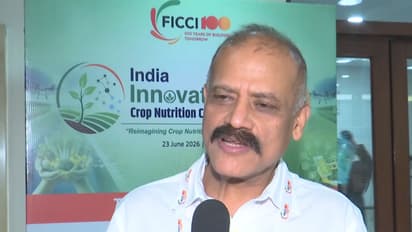
Speaking to ANI at the sidelines of the FICCI India Innovative Crop Nutrition Conclave 2026, Kanwar emphasised that balanced nutrition serves as the actual pathway to rising agricultural productivity rather than increasing the application of urea.
Kanwar stated that a major overspending occurs on the nitrogen side of agriculture, pointing to an imbalanced fertilizer application ratio of 10:4:1 in the country. Authorities have identified around 100 districts where nitrogen usage is far higher than standard requirements, necessitating a quick reduction in its application.
"We are a urea producer in India, but we are the first people to say, we do not want you guys to use five bags of urea when just two bags are enough," Kanwar said.
The shift toward lesser conventional fertiliser usage requires the introduction of innovative alternatives that maintain or improve field output while safeguarding soil health against climate stress.
"Every granule or every milliliter of innovative fertilizers that goes onto the crop will lead to a reduction of application of subsidized fertilizers," Kanwar stated. "That is how we need to find a balance."
Farmer Engagement and Education as a Solution
To achieve this balance, the company executes about 72,000 farmer engagement activities annually, averaging 200 daily connecting points via meetings, melas, and direct field demonstrations.
"Once you deliver knowledge to the farmer, we have to keep in mind that whether the farmer is seventh pass or a graduate or a postgraduate. A farmer is a business person. He or she knows the value of investment and they seek a return on that," Kanwar said.
"If you will go and try to sell something or get them to do something in which they will not see the return, there's a pushback," he added.
Rising rural literacy rates and the flow of nearly 50,000 agriculture graduates annually from 750 domestic institutes have altered farmer behavior, making agriculturists more receptive to scientific evidence and modern technology.
Future Focus: Biostimulants for Climate Resilience
The company plans to broaden its focus toward biostimulants and biologicals in its pipeline to mitigate severe environmental stress on crops.
"Agriculture is coming under deep stress because of nature changing itself and biologicals is one, bio-streaming is one way that we can help the farmers combat the change in agro-climatic conditions," Kanwar said. (ANI)
(Except for the headline, this story has not been edited by Asianet Newsable English staff and is published from a syndicated feed.)Stay updated with all the latest Business NewsShare Market NewsIPOsGold PriceDA Hike8th Pay CommissionAsianet News Official App