Alarming 89% of urban Indians admit buying fake goods, says report
Synopsis
Nearly 9 in 10 urban Indian consumers have purchased a counterfeit product, a new ASPA-CRISIL report finds. 35% of all consumers encountered fakes in the last year, with apparel, FMCG, and auto parts being the most affected sectors.
Nearly 35 per cent of consumers in India have reported encountering fake products in the past year. Alarmingly, almost 9 out of 10 urban consumers (89%) admitted to having purchased a counterfeit product at least once in their lifetime, according to the latest "State of Counterfeiting in India 2025" report released by the Authentication Solution Providers' Association (ASPA) in collaboration with CRISIL Intelligence.
The nationwide study, based on a consumer survey of 1,639 respondents across nine major Indian cities - Delhi, Mumbai, Chennai, Bengaluru, Hyderabad, Kolkata, Ahmedabad, Jaipur and Indore - highlights the growing scale, changing channels, and increasing consumer awareness regarding counterfeit products across multiple industries.
Counterfeiting Across Sectors
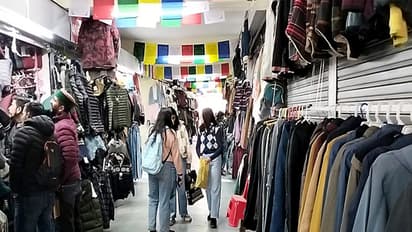
The apparel sector emerges as one of the most affected categories, with 31 per cent of consumers reporting that they encountered or purchased fake apparel in the past 12 months, reflecting the high prevalence of fake fashion products in both online and offline markets.
Counterfeiting is increasingly visible even in daily-use consumer goods. 27 per cent of consumers reported encountering counterfeit FMCG products within the last year, indicating risks in everyday household products such as packaged food, personal care, and home care items.
22 per cent of respondents reported encountering counterfeit automotive parts, highlighting the risks associated with fake spare parts in the vehicle replacement market.
The fast-growing appliances and electronics segment is also vulnerable. 18 per cent of consumers reported encountering counterfeit consumer durable products, with over half of such exposure occurring through online channels.
Counterfeit medicines are estimated to account for around 28 per cent of the market, raising serious public health concerns.
Counterfeit agro-products continue to threaten farm productivity and rural incomes. The study indicates that 35 per cent of farmers have encountered counterfeit agro-products, and farmers estimate that close to 30 per cent of agro-inputs available in the market may be counterfeit, raising concerns for crop yield, farmer trust, and food security.
Digital Commerce Fueling Counterfeit Distribution
The study highlights the growing role of digital commerce in the distribution of counterfeit products. Online aggregator platforms account for 53 per cent of counterfeit purchases, making them the largest channel. Local retail outlets remain dominant for agro-products (75 per cent) and pharmaceuticals (63 per cent). Social media advertisements are emerging as a major channel, especially for apparel (46 per cent) and consumer electronics (35 per cent).
Shifting Consumer Attitudes and Awareness
Despite widespread exposure, consumer attitudes toward counterfeits are gradually shifting. Counterfeit products are perceived to be around 22 per cent cheaper than genuine goods. However, only 36 per cent of consumers cite price as the primary reason for purchasing counterfeit products.
Consumers are willing to pay an average of 9 per cent premium for guaranteed genuine products, with higher willingness in pharmaceuticals (12 per cent) and agro-products (14 per cent).
In addition, 50 per cent of consumers say they would file a complaint if they received a fake product, reflecting rising consumer awareness and intolerance toward fake goods.
Experts Call for Concerted Action
Speaking at the event, Ankit Gupta, President, ASPA, highlighted that "In India, counterfeiting incidents have increased over the past three years, with counterfeiters becoming increasingly sophisticated and better funded. The growth of e-commerce and globalisation of markets has made the fight against counterfeiting even more challenging. At ASPA, we believe that by bringing this issue to industry and government forums, we contribute meaningfully to this fight."
Highlighting the key points from the report, Anjali Nathwani, Director, Crisil Intelligence, said, "An important finding from the survey is that 74 per cent of consumers believe the incidence of counterfeiting has increased in the last 12 months. Another intriguing finding is that 93 per cent of consumers think more awareness campaigns are needed, even though two-thirds feel confident about identifying a counterfeit product."
"This gap between awareness and action points to the need for concerted effort from the government, manufacturers, distributors, retailers and consumers working together to combat counterfeiting," she added. (ANI)
(Except for the headline, this story has not been edited by Asianet Newsable English staff and is published from a syndicated feed.)Stay updated with all the latest Business NewsShare Market NewsIPOsGold PriceDA Hike8th Pay CommissionAsianet News Official App