Ahmedabad plane crash: What Indian air passengers must know about insurance and compensation?
Synopsis
The Ahmedabad Air India crash has sparked concerns over passenger safety and financial readiness. Experts stress the need for travel insurance, as many Indian flyers remain uninsured, risking delayed compensation in such air disasters.
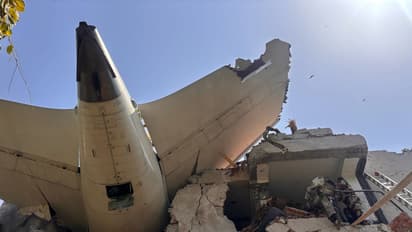
Ahmedabad: The tragic crash of Air India flight AI171, a London-bound Boeing 787-8, shortly after takeoff from Ahmedabad on Thursday, has once again turned the spotlight on an uncomfortable but urgent question: how financially prepared are Indian travellers in the event of a plane crash?
The aircraft, carrying 242 passengers and crew, including 169 Indian nationals and several foreign citizens, went down in the Meghaninagar area near the Sardar Vallabhbhai Patel International Airport around 2 pm. With casualties feared and investigations underway, experts say this incident should serve as a wake-up call on the often-overlooked aspect of travel insurance and compensation rights.
Most Indian flyers still skip travel insurance
Despite the increasing affordability and accessibility of travel insurance, a large section of Indian passengers, especially domestic flyers, continue to ignore it. Insurance professionals note that while air travel is largely safe, the rare occasions when disaster strikes can have massive emotional and financial consequences.
“People think travel insurance is optional. But in moments like this, it's the only lifeline left for families,” said a Bengaluru-based aviation insurance consultant.
What does the law guarantee?
India, as a signatory to the Montreal Convention, 1999, mandates airlines to pay compensation in the event of death or bodily injury, even when no fault is proven. Under this, the airline is liable to compensate up to 128,821 Special Drawing Rights (around ₹1.4 crore per passenger). If negligence by the airline is proven, the compensation can be even higher.
Domestic flights in India generally follow similar norms under DGCA guidelines, although they’re not bound by the Convention.
Travel insurance: A crucial safety net
A good travel insurance policy can offer:
- ₹25 lakh to ₹1 crore in accidental death benefits
- ₹5–₹10 lakh for disability
- Coverage for emergency evacuation, hospitalisation, baggage loss, and delays
However, experts caution that such benefits apply only if travellers purchase insurance before the flight. Several passengers, especially on short-haul or business trips, skip this layer of protection.
What happens if you’re not insured?
Even in the absence of personal travel insurance, victims may receive:
- Airline compensation (as mandated)
- Government ex gratia (in certain cases)
- Credit card-linked travel insurance, if applicable
- Corporate insurance for business travellers
- Tour operator group insurance in package trips
However, these compensations often involve lengthy legal procedures and may not match the financial strain caused by the loss of life or severe injuries.
Legal maze for affected families
Several past aviation tragedies show that compensation battles often drag on for months or even years. Victims' families may need to pursue justice through consumer forums, civil courts, or insurance grievance bodies.
In the absence of nominee details or documented insurance, the legal path becomes even more complicated.
A grim but timely reminder
As the Ahmedabad tragedy unfolds and rescue and relief efforts continue, the incident is already prompting urgent discussions about traveller awareness, airline accountability, and the importance of proactive financial protection.
Experts recommend:
- Always buy travel insurance, even for domestic trips
- Clearly mention nominee details
- Choose plans with accidental death and hospitalisation cover
- Save both digital and printed copies of your insurance policy
With flight operations temporarily suspended at Sardar Vallabhbhai Patel International Airport and the Prime Minister directing top officials to provide all necessary assistance, authorities are focusing on rescue and recovery—but for many families, the financial battle may only be beginning.
Stay updated with all the latest Business NewsShare Market NewsIPOsGold PriceDA Hike8th Pay CommissionAsianet News Official App